
Traditional concrete construction demands formwork, mixing equipment, placement labor, and curing time that constrain application in remote locations, emergency situations, and projects requiring rapid deployment. Cement blankets—flexible fabric sheets impregnated with cement and other constituents that harden upon hydration—address these limitations by packaging concrete technology in a deployable format that requires only water addition to transform from flexible textile to rigid concrete structure. The Cement Blanket Market serves this innovative construction segment, supplying products that enable rapid slope protection, channel lining, culvert repair, and temporary structure construction without conventional concrete placement infrastructure.
According to a recent report by Wise Guys Report, this market is experiencing growth driven by infrastructure resilience requirements, disaster response preparedness, mining and energy sector remote construction needs, and the material's unique ability to conform to irregular surfaces without formwork. The combination of textile flexibility for installation with concrete durability for service performance creates application opportunities inaccessible to conventional construction methodologies.
Product Technology and Material Composition
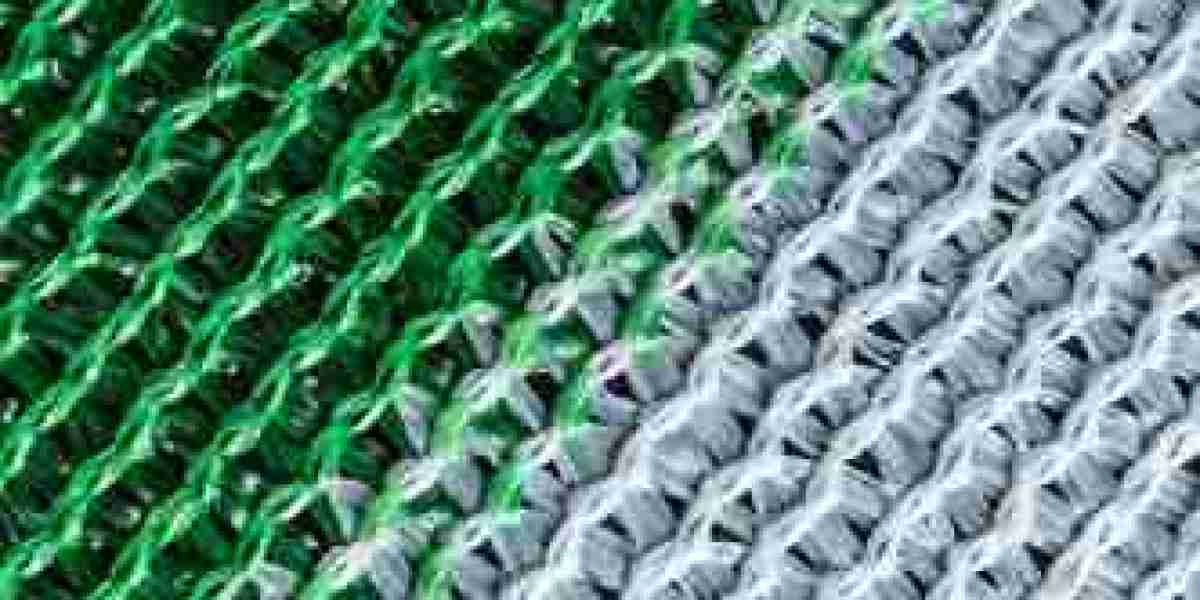
Cement blankets typically comprise a three-dimensional textile matrix—woven or non-woven geotextile layers—impregnated with Portland cement, fillers, and admixtures in dry form. The textile structure provides reinforcement and containment during hydration, with fiber types including polypropylene, polyester, and glass depending on application requirements.
Thicknesses range from 6 to 25 millimeters, with thicker products providing greater structural capacity and durability at the cost of reduced flexibility and increased weight. Custom formulations incorporate rapid-setting cements, corrosion inhibitors, and fiber reinforcement to optimize performance for specific environments.
Hydration is initiated by spraying or immersion in water, with setting times adjustable from minutes to hours through admixture selection. The flexible-to-rigid transformation enables installation on vertical surfaces, over irregular terrain, and in confined spaces where conventional concrete placement is impractical.
Application Architecture
Slope and channel protection represents the largest application segment, with cement blankets providing erosion-resistant lining for drainage channels, riverbanks, and coastal embankments. The textile reinforcement prevents cracking and spalling that would compromise rigid concrete linings under differential settlement or thermal stress.
Culvert and pipe repair employs cement blankets as internal or external liners that restore structural integrity and prevent further deterioration. The conformability of the flexible blanket enables installation within existing deteriorated structures without excavation.
Bunker and silo construction in mining and agriculture utilizes cement blankets for rapidly erected, durable storage structures.
Military and emergency applications include rapid runway repair, temporary road surfacing, and protective structure construction where speed of deployment is critical.
Market Dynamics and Competitive Positioning
The Cement Blanket Market competes with conventional concrete, shotcrete, geomembranes, and riprap erosion protection. The material's unique combination of flexibility for installation and rigidity for performance sustains niche positioning where these properties are valued.