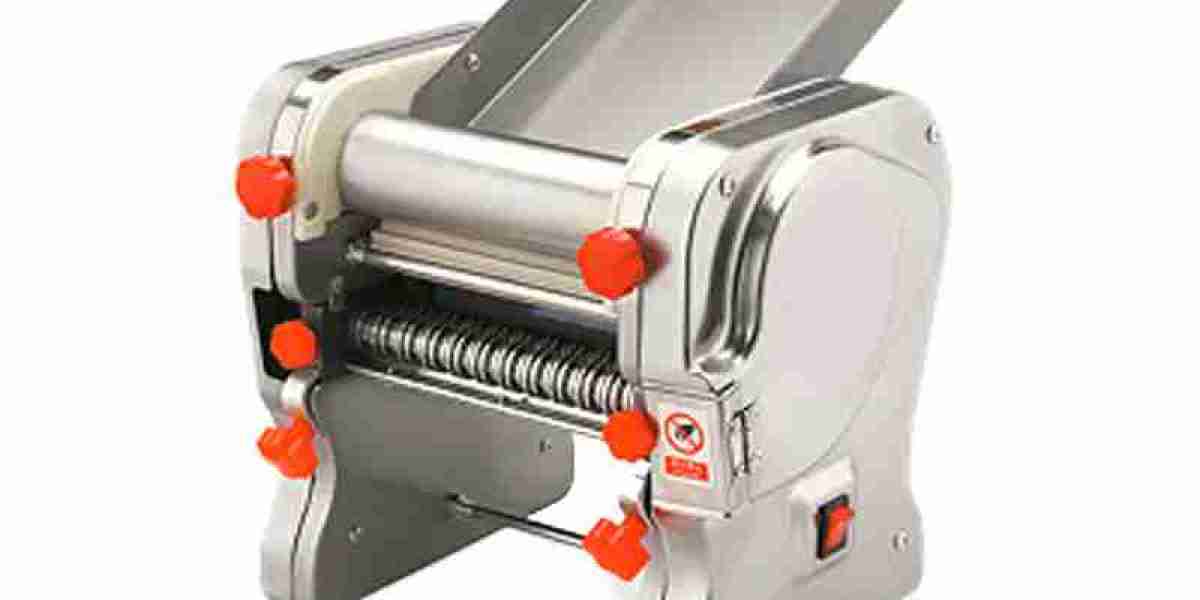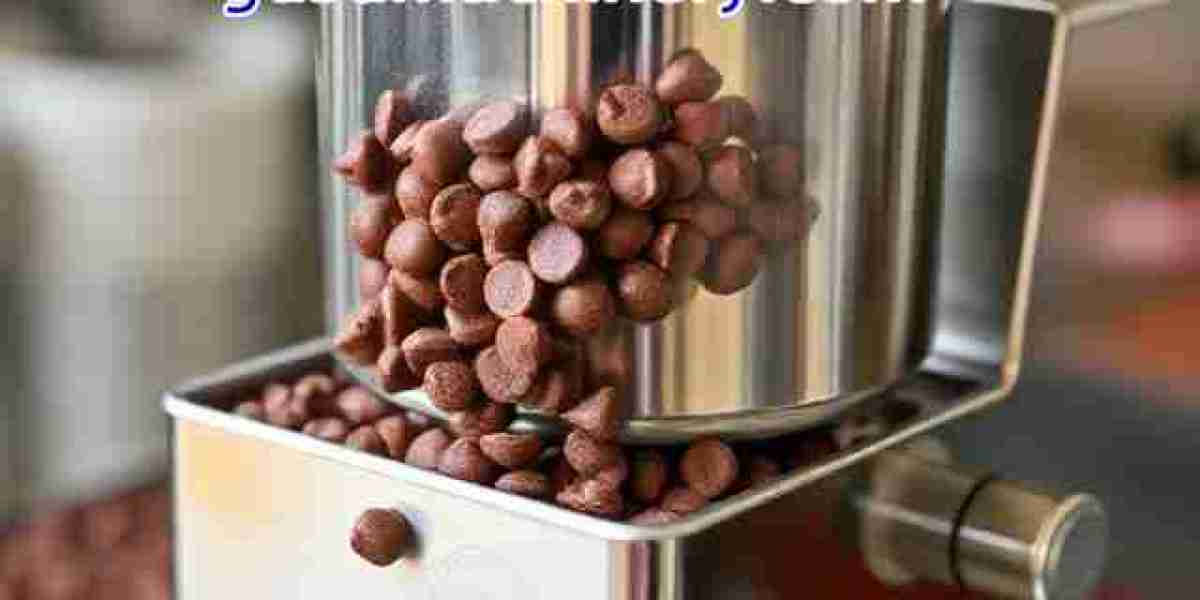

In an increasingly competitive food manufacturing industry, selecting the right Food Machine is no longer limited to comparing equipment features alone. Companies are looking for machinery that delivers long-term reliability, efficient operation, easy maintenance, and flexible production capabilities. Behind every dependable processing system is a combination of carefully selected materials, practical engineering, advanced manufacturing techniques, and thoughtful industrial design. Gusu Food Processing Machinery Suzhou Co., Ltd. has accumulated extensive experience in developing food processing equipment by integrating these essential elements into complete production solutions that support sustainable manufacturing and consistent operational performance.
The quality of processing equipment begins with the materials used throughout its construction. Reliable food machinery depends on structural materials that maintain strength, stability, and cleanliness throughout continuous production. Professional manufacturers carefully evaluate material suitability according to processing environments, manufacturing requirements, and long-term durability. Proper material selection contributes not only to mechanical reliability but also to efficient cleaning and routine maintenance, allowing production facilities to maintain organized workflows while supporting high standards of food hygiene.
Material engineering also requires careful coordination between different structural components. Rather than treating every part independently, experienced engineers design complete systems where supporting frames, processing assemblies, motion mechanisms, and structural connections work together efficiently. This integrated design philosophy improves equipment balance while reducing unnecessary stress during operation. Machines developed with comprehensive structural planning typically provide smoother performance and greater operational consistency over extended production periods.
Choosing suitable processing equipment involves much more than evaluating the machine itself. Buyers should carefully examine the manufacturer's engineering experience, production capability, quality management practices, research resources, and technical support. An experienced equipment supplier understands that every food manufacturer has different production goals and operational requirements. Instead of providing generic recommendations, professional manufacturers develop practical solutions that support long-term productivity and future manufacturing development.
Functional engineering has become one of the defining characteristics of modern food processing machinery. Successful equipment design focuses on improving operational efficiency while simplifying everyday production activities. Logical structural layouts, organized equipment arrangements, and accessible maintenance areas help operators perform routine work more effectively. Practical engineering minimizes unnecessary operational complexity while supporting stable manufacturing processes that contribute to improved production efficiency across different food applications.
Continuous technological innovation plays a significant role in modern machinery development. Rather than introducing technology simply for appearance, experienced manufacturers concentrate on meaningful improvements that enhance production flexibility, operational reliability, and workflow organization. Engineering teams continuously evaluate opportunities to refine machine structures and production processes, ensuring equipment remains capable of adapting to evolving industry requirements. Practical innovation creates machinery that supports manufacturers through changing production environments while maintaining dependable long-term performance.
Manufacturing capability reflects the overall professionalism of an equipment producer. Well-established manufacturers operate standardized production systems supported by experienced engineering teams, skilled technicians, organized workflow management, and disciplined production procedures. Every manufacturing stage, including material preparation, machining, fabrication, assembly, finishing, and equipment integration, follows carefully controlled processes. Stable manufacturing systems help ensure that every completed machine maintains consistent quality and reliable operational characteristics.
Quality management extends throughout the complete manufacturing cycle rather than relying solely on final inspections. Professional equipment manufacturers implement continuous quality supervision during material verification, machining accuracy, assembly precision, structural alignment, surface treatment, and equipment performance evaluation. This comprehensive quality philosophy helps minimize production variation while strengthening customer confidence in equipment reliability. Consistent quality management also supports long-term operational stability after machinery enters regular production.
User experience has become an increasingly important consideration in industrial equipment development. Production teams benefit from machinery that combines straightforward operation with convenient maintenance and efficient workspace organization. Engineers therefore prioritize practical operating layouts, accessible maintenance locations, and intuitive structural arrangements that simplify routine production activities. User-oriented equipment design improves operational efficiency while reducing unnecessary training requirements and supporting comfortable long-term use.
Industrial design adds another valuable dimension to modern food processing equipment. Attractive machinery reflects more than visual appearance; it demonstrates thoughtful engineering and professional manufacturing standards. Clean structural lines, balanced proportions, coordinated component placement, and refined surface finishes contribute to equipment that integrates naturally into contemporary production environments. Well-executed industrial design also improves accessibility and maintenance efficiency while reinforcing confidence in equipment quality and manufacturing precision.
Gusu Food Processing Machinery Suzhou Co., Ltd. continues to advance food processing technology through continuous engineering development, standardized manufacturing systems, comprehensive quality management, and customer-focused product innovation. By combining practical engineering with extensive manufacturing experience, the company provides equipment designed to support reliable operation, efficient production, and sustainable development across the global food processing industry.
When evaluating food processing equipment, manufacturers should carefully consider material quality, engineering expertise, manufacturing capability, technological innovation, user experience, industrial design, and professional technical service as equally important elements of long-term success. Businesses seeking more information about the food processing solutions offered by Gusu Food Processing Machinery Suzhou Co., Ltd. can visit https://www.gusumachinery.com/ to explore equipment designed for efficient, reliable, and future-oriented food manufacturing.