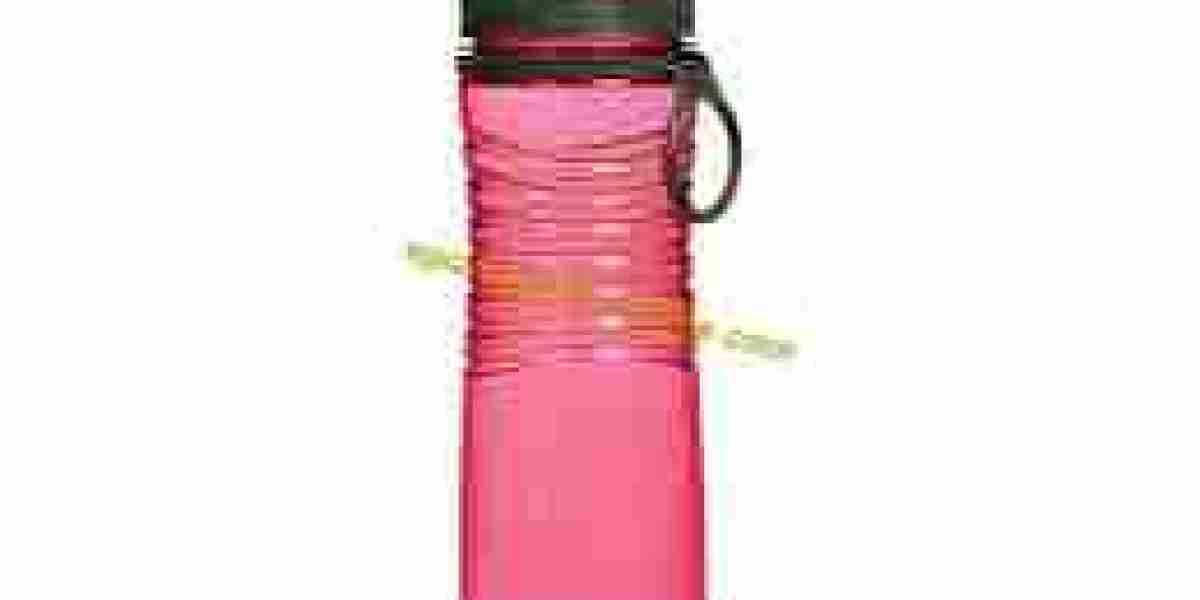

The visual appeal of a reusable water bottle often determines how frequently it gets used, and few material properties influence this aesthetic as directly as long-term clarity. A bottle that retains its crystal transparency through months of daily use signals quality and care, while one that develops cloudiness or yellowing gradually loses its appeal and may even get relegated to the back of a cupboard. This clarity retention represents a tangible performance difference between plastic types, with some materials maintaining their pristine appearance far longer than others under identical usage conditions. A manufacturer like Sportsplasticbottle, operating under the parent company Taizhou Huangyan Zuohao Plastic Factory, produces Tritan Plastic Water Bottle designs that leverage this material's inherent resistance to clouding and discoloration, offering users a container that stays visually appealing throughout its service life. The company's manufacturing processes preserve the polymer's structural integrity, ensuring that the transparency consumers appreciate on day one remains evident after months of regular use. Does your hydration container maintain its original clarity, or has time and use gradually diminished its visual quality?
The scientific basis for Tritan's exceptional clarity retention lies in its molecular structure and the absence of the additives that cause other plastics to degrade visibly over time. Traditional polycarbonate (PC) bottles often develop a yellowish tint as UV exposure breaks down chemical bonds within the polymer matrix, a process accelerated by repeated dishwashing cycles and sunlight exposure -10-8. This yellowing occurs because PC contains bisphenol-A (BPA) and other aromatic compounds that oxidize when exposed to heat and light, producing colored byproducts that become trapped within the plastic's microstructure. Tritan, by contrast, uses a copolyester formulation that resists this oxidative degradation, maintaining its color stability even after hundreds of dishwasher cycles without the yellowing that affects PC -1-3. The material's clarity is engineered to last, with manufacturers claiming it can withstand up to 1,000 wash cycles without loss of transparency or crack formation -5.
The practical implications of this clarity retention extend beyond mere aesthetics. A transparent bottle allows users to track their daily water intake visually, watching the level drop throughout the day as a natural reminder to keep drinking -1. This visibility supports hydration habits without requiring additional tracking tools, making the bottle more functional as well as attractive. When a bottle clouds or yellows, this visual tracking becomes less effective, and the user loses one of the passive benefits that clear plastic provides. Sportsplasticbottle's Tritan designs maintain this visual functionality across extended use periods, preserving the user's ability to monitor consumption without thinking about it.
The cleaning process itself presents another challenge that clarity retention addresses directly. Bottles that become scratched or abraded during washing develop microscopic surface damage that scatters light, creating a frosted or cloudy appearance. Tritan's resistance to scratching and its ability to withstand dishwasher cleaning without degradation means that regular maintenance does not progressively diminish clarity -2-3-7. Users can clean their bottles thoroughly without worrying that the washing process itself will permanently damage the visual quality. This durability under cleaning conditions makes Tritan particularly practical for users who value both hygiene and appearance.
Comparison with other materials reveals the distinct advantage Tritan offers in clarity retention. Polypropylene (PP), another common food-grade plastic, naturally appears slightly hazy or translucent rather than fully transparent, and it becomes more opaque over time as surface scratches accumulate -3. Glass offers excellent clarity but introduces weight and breakage risks that make it impractical for active use. Stainless steel provides durability but sacrifices all visual transparency, making intake tracking impossible. Tritan balances the visual appeal of glass with the practical durability of plastic, maintaining its clarity while surviving drops and impacts that would shatter glass -1-11. This combination of properties explains why Tritan has become the preferred material for premium water bottles across retail and promotional channels.
The manufacturing quality of the bottle also affects how well clarity is preserved. Injection molding conditions, cooling rates, and material handling all influence the final optical properties of the finished product. Consistent production processes ensure that the polymer chains align properly and that no contaminants introduce cloudiness or discoloration during formation. Zuohao's manufacturing facility, with its 4,000-square-meter production base and over 100 skilled employees, maintains the process controls necessary to achieve and preserve Tritan's optical clarity across large production volumes [citation:URL]. The company's quality control protocols verify that each bottle meets clarity specifications before leaving the factory, ensuring consistent visual quality for every customer.
Environmental factors can affect any plastic's appearance over time, and Tritan is no exception. Prolonged exposure to direct sunlight can cause some plastics to yellow, and manufacturers generally recommend keeping bottles away from extended UV exposure when possible -10. However, Tritan demonstrates superior UV stability compared to other clear plastics, retaining its toughness and clarity even after significant sun exposure -10. This performance characteristic makes Tritan bottles suitable for outdoor activities where other plastics would quickly degrade and discolor. Users who carry their bottles to the gym, on hikes, or to the office can trust that the clarity they appreciate will persist across diverse environments.
The long-term value of clarity retention becomes apparent when considering the total cost of ownership for a reusable bottle. A bottle that stays clear and attractive through years of use remains a pleasure to carry and display, while one that becomes cloudy or yellowed loses its appeal and may be replaced prematurely. This replacement cycle not only costs the consumer additional money but also generates unnecessary plastic waste. By maintaining its visual quality over extended service life, a Tritan bottle supports sustainability goals by remaining in active use rather than being discarded -2-11. The material's durability and clarity combine to extend product lifespan, reducing the environmental impact associated with frequent replacements.
The tactile and visual experience of using a clear bottle also affects user satisfaction in subtle ways. A bottle that looks clean and transparent encourages confidence in its hygiene, while a cloudy bottle may raise concerns about cleanliness regardless of actual washing practices. This psychological dimension of clarity retention supports consistent use, as users reach for a bottle that appears fresh and well-maintained. The glass-like appearance of Tritan elevates the drinking experience, making hydration feel more pleasant and intentional rather than utilitarian.
For those seeking a bottle that maintains its clarity through months and years of regular use, the material selection at the time of purchase makes a significant difference. Tritan's molecular stability and resistance to scratching, yellowing, and clouding provide a durability advantage that becomes evident over time. Detailed information about specific product designs and their material specifications can be found at https://www.sportsplasticbottle.com/product/, where various Tritan bottle configurations demonstrate how thoughtful engineering supports long-term visual quality. The clarity retention that distinguishes Tritan from other plastics ensures that the bottle users carry today will continue to present the same crystal transparency that drew them to it initially, maintaining both function and aesthetic appeal across the full span of its service life