
The scent of burning rubber in a vehicle is one of the most unsettling experiences for any driver, often triggering immediate anxiety regarding the safety and reliability of the machine. It is a common misconception that such an odor is exclusively the result of a slipping serpentine belt or a fraying hose, and many owners become frustrated when they conduct a visual inspection only to find all external engine components perfectly intact. When the belts appear tight and the hoses show no signs of cracking, the source of the smell shifts from a simple surface-level issue to a deeper, more complex diagnostic puzzle. Identifying this smell requires a methodical approach that separates actual rubber components from other materials that share similar olfactory characteristics, such as heating plastics or synthetic lubricants interacting with high-temperature engine surfaces. As modern vehicles become increasingly integrated with intricate electronic and mechanical systems, understanding the root cause of these mysterious odors requires a level of diagnostic expertise that separates the amateur tinkerer from the skilled professional who can accurately pinpoint failures in the drivetrain or electrical architecture.
Examining Drivetrain Drag and Clutch Performance
One of the most frequent non-belt causes of a persistent burning rubber smell is the intense friction generated within the drivetrain, specifically concerning the clutch system in manual vehicles or the torque converter in automatics. If a clutch disc is worn or if the pressure plate is failing to engage fully, the resulting slippage creates immense heat, which can easily be mistaken for the scent of scorched rubber. This heat is not just localized; it radiates outward, often affecting nearby sound-insulation materials or rubber mounting bushings that might be adjacent to the transmission housing. Similarly, a seized brake caliper or a dragging emergency brake cable can cause a wheel assembly to overheat, radiating a pungent odor as the rubber seals within the brake system—and even the internal components of the tires themselves—begin to degrade under extreme temperature stress. Assessing these conditions requires the ability to distinguish between the sharp, chemical-rich smell of brake pad friction and the heavy, lingering odor of burned rubber originating from transmission interfaces, a skill typically honed through a formal car mechanic course where students learn the nuanced diagnostic signatures of drivetrain failure.
The Deceptive Nature of Fluid Leaks on Hot Surfaces
It is a well-documented phenomenon in automotive repair that certain synthetic fluids, when dripped onto extremely hot exhaust components, can produce an odor that is virtually indistinguishable from burning rubber. For instance, a small oil leak from a valve cover gasket or a power steering line may not be immediately obvious during a quick glance, yet if the fluid finds its way onto the exhaust manifold or the catalytic converter, it instantly vaporizes. The combination of heat and the chemical composition of the oil can deceive the human nose, leading the driver to believe that a rubber component is failing. Furthermore, transmission fluid, which has a distinct, sometimes acrid smell when overheated, can mimic the scent of burning tires if it accumulates in the engine bay's lower chassis regions. A thorough inspection requires looking beyond the engine block, specifically checking for wet spots or charred residues on the underbody of the vehicle where heat shielding might be trapping leaked fluids against the hot metal of the exhaust system.
Electrical Insulation and Overheating Wiring Harnesses
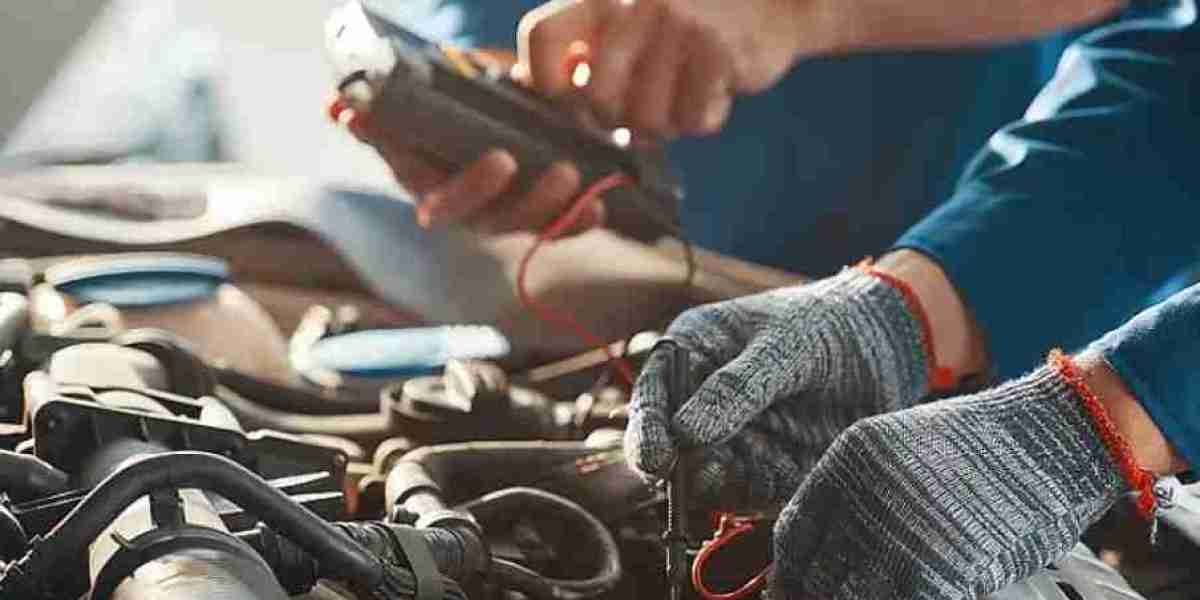
Modern vehicles are laced with miles of wiring, and nearly every wire is encased in either a plastic or a rubber-based insulation material designed to withstand engine bay temperatures. When an electrical short occurs or when a component begins to draw excessive current—perhaps due to a failing alternator or a malfunctioning cooling fan relay—the insulation can start to melt before a fuse actually blows. This localized melting produces a strong, chemical scent that is often misidentified as a mechanical rubber belt issue. Because these wiring harnesses are frequently tucked away behind the engine or beneath the dashboard, the smell can be pronounced long before the electrical system exhibits catastrophic failure. Locating an intermittent electrical short necessitates a deep understanding of circuit loads and terminal resistance, which is why technicians must rely on advanced multi-meters and diagnostic schematics rather than simple visual intuition, ensuring that they can trace the source of the heat without dismantling the entire engine bay needlessly.
Tires, Bearings, and Suspension Friction Dynamics
Sometimes the source of the odor is not originating from the engine bay at all, but rather from the chassis components interacting with the road or with each other. If a wheel bearing is failing, the internal friction generates significant heat that can travel through the wheel hub, eventually affecting the rubber grease seals and, in severe cases, even the inner sidewall of the tire. Additionally, if an alignment issue is present or if a suspension component—such as a control arm bushing—is compromised, it can cause a tire to rub slightly against a fender liner or an inner frame rail during high-speed turns or heavy braking maneuvers. This creates a friction point that produces smoke and a distinct burning smell, yet because the rubber is not "burning" in the traditional sense of a belt, the culprit remains elusive. Diagnosing these dynamic failures requires the vehicle to be hoisted on a lift, where a trained professional can check for rotational resistance and play in the suspension geometry to confirm if the smell is linked to tire-on-chassis contact.
The Critical Importance of Professional Diagnostic Training
The complexity of these scenarios highlights why the automotive service industry relies so heavily on specialized knowledge and continuous professional development. A mystery smell is rarely just a smell; it is a symptom of a larger mechanical or electrical process, and the ability to interpret these symptoms accurately is what defines an expert in the field. When a vehicle presents with an ambiguous odor, the diagnostic path must be systematic, moving from the most likely mechanical failures to the subtle, hidden issues that often go unnoticed by the average car owner.