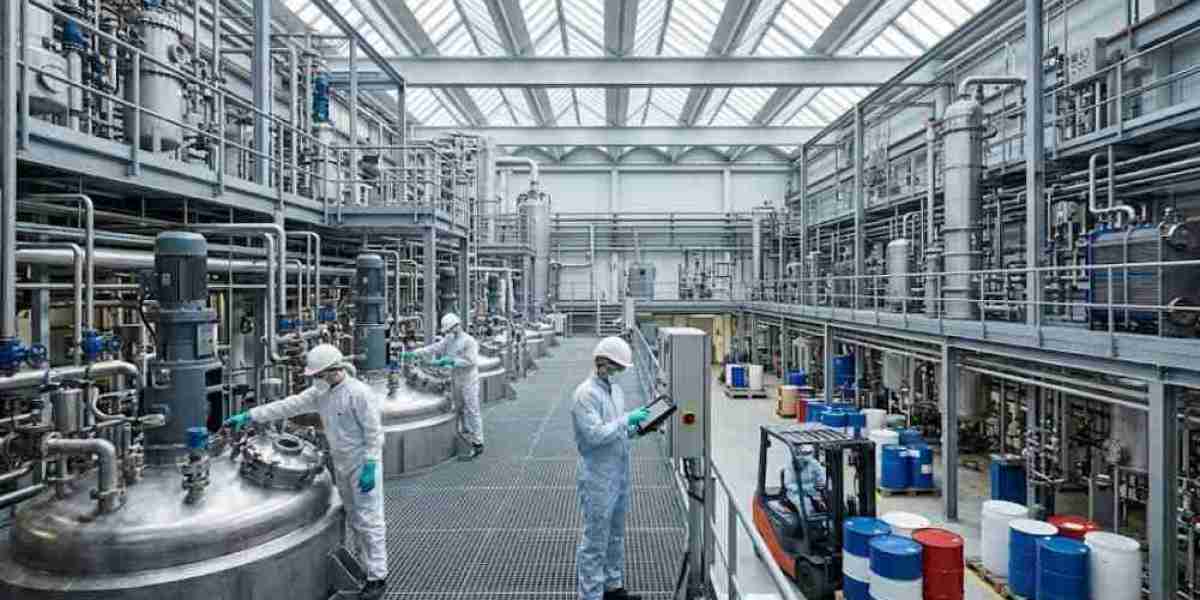

Understanding the economics behind chemical manufacturing has become increasingly important for industrial producers, procurement teams, and investors. Rising energy prices, global supply chain disruptions, and evolving environmental regulations continue to reshape manufacturing economics across the specialty chemical sector. In this environment, accurate production cost intelligence supports better operational planning and long-term investment decisions.
Cycrimine, a specialty chemical compound used in pharmaceutical and industrial applications, requires a carefully managed production process involving multiple raw materials, energy-intensive operations, and quality-controlled manufacturing systems. As demand for specialty chemicals grows across global markets, manufacturers are placing greater emphasis on evaluating the overall cost of producing Cycrimine and identifying opportunities for operational efficiency.
A detailed understanding of Cycrimine production cost structures helps stakeholders assess profitability, benchmark regional competitiveness, and optimize procurement strategies amid changing market conditions.
Overview of Cycrimine Manufacturing
The industrial production of Cycrimine involves a multi-stage chemical synthesis process designed to achieve high purity, consistent product quality, and efficient yield performance. Manufacturing facilities typically rely on batch or semi-continuous processing technologies depending on production scale and downstream application requirements.
Basic Manufacturing Flow
The general manufacturing process may include:
- Raw material preparation
- Controlled chemical reaction stages
- Intermediate purification
- Solvent recovery
- Product crystallization or separation
- Drying and packaging
Manufacturers utilize specialized reactors, filtration systems, heat exchangers, and process control technologies to maintain product consistency and minimize material losses during production.
Key Technologies Used
Several technologies influence Cycrimine manufacturing cost and operational efficiency:
- Advanced reaction monitoring systems
- Automated process control
- Solvent recovery units
- Energy-efficient heating systems
- Waste treatment and emission control technologies
Production facilities with modern process optimization capabilities generally achieve lower operating costs and improved material utilization rates.
Key Raw Materials and Inputs
Raw material sourcing represents one of the largest contributors to overall Cycrimine production cost. The availability, purity, and pricing of feedstock materials significantly impact manufacturing economics.
Primary Inputs
Key production inputs may include:
- Chemical intermediates
- Organic solvents
- Catalysts and reagents
- Utility chemicals
- Water and steam
Energy inputs are also critical due to the heating, cooling, and separation stages involved in specialty chemical manufacturing.
Influence on Production Cost
Raw material price volatility directly affects the cost of producing Cycrimine. Factors influencing input pricing include:
- Crude oil and petrochemical market trends
- Supply chain disruptions
- Transportation costs
- Regional feedstock availability
- Currency fluctuations
For many manufacturers, feedstock procurement strategies play a central role in controlling Cycrimine manufacturing cost and maintaining production margins.
Major Cost Drivers in Production
The economics of Cycrimine production depend on several operational and market-related cost components. Manufacturers continuously evaluate these variables to improve competitiveness and operational sustainability.
Raw Material Expenses
Feedstock and intermediate chemicals often account for a significant portion of total production expenditure. Changes in upstream petrochemical pricing can quickly alter manufacturing economics.
Energy Consumption
Energy-intensive operations such as:
- Heating
- Distillation
- Drying
- Cooling
- Solvent recovery
contribute heavily to industrial production cost. Facilities operating in regions with lower electricity or natural gas prices generally benefit from reduced operating expenses.
Labor and Operational Costs
Labor costs vary depending on:
- Regional wage structures
- Plant automation levels
- Technical workforce availability
- Regulatory compliance requirements
Highly automated facilities may reduce workforce dependency while improving process efficiency.
Maintenance and Plant Operations
Routine maintenance, equipment replacement, and process optimization programs are essential for maintaining production continuity and minimizing downtime.
Key maintenance-related costs include:
- Reactor maintenance
- Pipeline inspection
- Safety system upgrades
- Waste treatment equipment servicing
Transportation and Logistics
Transportation costs impact both raw material procurement and finished product distribution. Shipping expenses fluctuate due to:
- Fuel prices
- Freight availability
- Port congestion
- International trade policies
These logistics factors can significantly affect the final Cycrimine plant cost structure.
Regional Cost Differences
Cycrimine production cost analysis varies considerably across regions due to differences in feedstock access, energy pricing, industrial infrastructure, and environmental regulations.
North America
North America benefits from:
- Advanced chemical manufacturing infrastructure
- Competitive natural gas pricing
- Strong logistics networks
However, environmental compliance costs and labor expenses can increase operational expenditure.
Europe
European manufacturers often face:
- Higher energy costs
- Strict environmental regulations
- Carbon emission compliance requirements
Despite these challenges, Europe remains a key region for specialty chemical innovation and high-value production.
Asia-Pacific
Asia-Pacific continues to dominate specialty chemical manufacturing growth due to:
- Lower labor costs
- Expanding industrial infrastructure
- Strong regional demand
Countries such as China and India offer cost advantages through large-scale production capabilities and competitive supply chains.
Middle East
The Middle East benefits from:
- Access to low-cost petrochemical feedstocks
- Competitive energy pricing
- Integrated chemical production complexes
These advantages support favorable manufacturing economics for several downstream chemical products.
Impact of Market Trends on Production Economics
Global market trends are reshaping the economics of chemical manufacturing, including Cycrimine production.
Sustainability and Green Manufacturing
Chemical producers are increasingly investing in:
- Energy-efficient technologies
- Emission reduction systems
- Waste minimization processes
- Circular manufacturing practices
Although these investments may increase initial capital expenditure, they can improve long-term operational efficiency.
Energy Transition and Decarbonization
The shift toward lower-carbon industrial operations is influencing production cost structures worldwide. Manufacturers are exploring:
- Renewable energy integration
- Electrified process systems
- Low-emission production technologies
- Carbon capture initiatives
These developments are expected to impact future Cycrimine manufacturing cost models.
Supply Chain Diversification
Many manufacturers are reevaluating procurement strategies to reduce dependency on single-source suppliers and improve supply chain resilience. This trend affects:
- Raw material sourcing
- Inventory management
- Transportation planning
- Regional production expansion
Why Detailed Production Cost Intelligence Matters
Accurate production cost analysis supports strategic decision-making across the chemical industry. Manufacturers and investors rely on cost intelligence to evaluate profitability and long-term operational feasibility.
Applications of Production Cost Intelligence
Detailed cost analysis helps companies:
- Assess new plant investment opportunities
- Optimize procurement strategies
- Benchmark production efficiency
- Evaluate regional competitiveness
- Forecast operating margins
- Identify cost reduction opportunities
Production economics also play a critical role in feasibility studies, expansion planning, and supply chain optimization.
Understanding the Value of a Cycrimine Production Cost Report
A comprehensive [Cycrimine Production Cost Report] provides valuable insights into the economic structure of industrial manufacturing operations. These reports typically include detailed evaluations of:
- Raw material consumption
- Utility requirements
- Manufacturing process analysis
- Capital investment estimates
- Operating cost breakdowns
- Plant capacity assumptions
- Profitability metrics
- Regional cost benchmarking
For manufacturers, procurement teams, and investors, such reports support informed business decisions by offering a deeper understanding of Cycrimine production economics and industrial cost structures.
In addition, detailed production cost analysis helps organizations assess market risks, optimize sourcing strategies, and identify opportunities for improving operational performance within the specialty chemical sector.
Final
As global chemical markets continue evolving, production cost intelligence has become essential for manufacturers, investors, and industrial procurement teams. Factors such as feedstock pricing, energy volatility, environmental regulations, and supply chain dynamics continue to influence Cycrimine production cost across regions.
A data-driven understanding of manufacturing economics enables companies to improve strategic planning, optimize operational efficiency, and evaluate investment opportunities more effectively. Detailed market research and production cost analysis remain critical tools for navigating an increasingly competitive and cost-sensitive industrial landscape.