
In modern healthcare supply chains, product reliability often begins with material science, and many healthcare providers rely on experienced partners such as a Bandage Manufacturer to ensure that wound care materials deliver consistent performance across clinical and home-care environments. As the global demand for high-quality medical textiles continues to grow, the choice of materials used in bandage production has become increasingly important. From breathable fibers to skin-friendly fabrics, manufacturers must carefully balance durability, comfort, and protective function while adapting to evolving medical needs.
One of the most important material considerations in bandage production is breathability. Wound environments require a balance between protection and airflow, allowing the skin to heal while minimizing excessive moisture accumulation. Cotton and cotton-blended fabrics are widely used because they offer natural softness and excellent air permeability. These materials help maintain a comfortable environment for the skin, reducing irritation and supporting the natural healing process. Advanced textile processing technologies further enhance these characteristics by improving the uniformity and structure of the fibers, ensuring that the bandage remains soft and flexible during extended wear.
Elasticity is another critical feature in modern bandage materials. Elastic fabrics allow the bandage to conform closely to different body shapes without restricting movement. This flexibility is especially important for joints such as knees, elbows, and wrists, where constant motion can easily loosen poorly designed dressings. By integrating elastic fibers within the textile structure, manufacturers can produce bandages that maintain secure positioning while remaining comfortable for the wearer. This combination of support and adaptability has become a key factor in the design of many medical and sports support bandages.
Durability also plays a significant role in determining the effectiveness of a bandage. Medical environments require products that maintain structural integrity during application and removal. High-quality weaving and knitting processes help ensure that the bandage fabric remains strong while retaining a smooth surface texture. Reinforced fiber structures can prevent fraying and tearing, allowing the bandage to perform reliably throughout its intended use. These qualities are particularly important in professional medical settings where consistent product performance is essential for patient safety.
Skin compatibility is another important aspect of bandage design. Materials that come into prolonged contact with the skin must minimize irritation and allergic reactions. For this reason, many modern bandages use hypoallergenic fabrics and carefully controlled finishing processes. The goal is to create a material surface that feels gentle against the skin while avoiding substances that could trigger sensitivity. This focus on patient comfort has become increasingly important as bandages are now widely used not only in hospitals but also in home healthcare and personal first-aid kits.
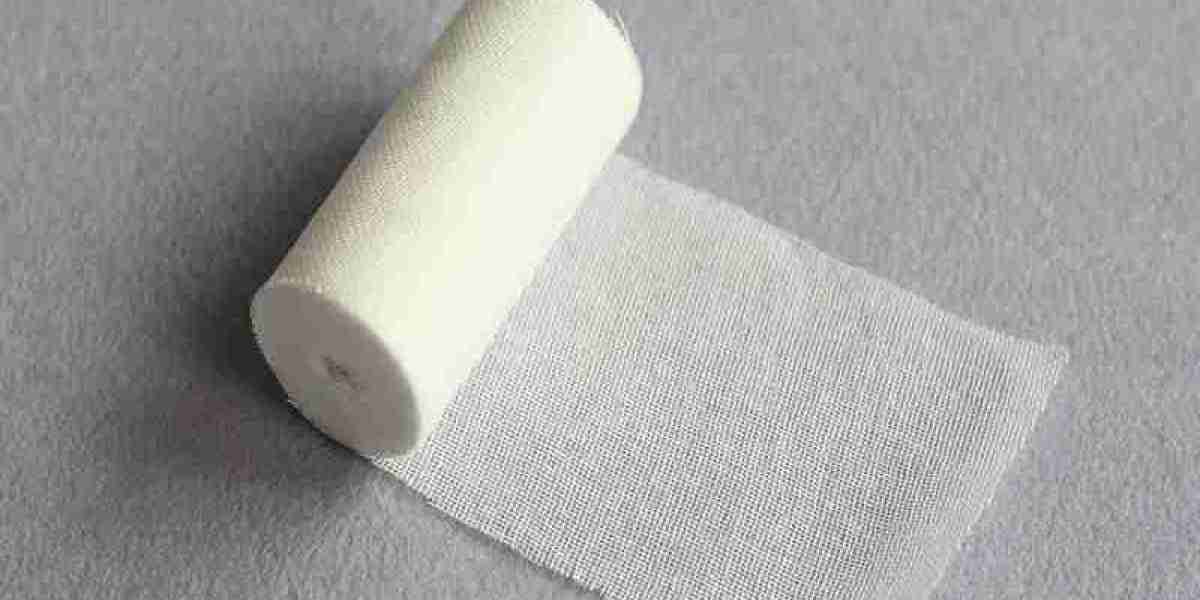
In addition to core materials, the structure of the bandage fabric itself influences performance. Different weaving or knitting patterns can affect elasticity, compression distribution, and moisture control. Open textile structures can improve ventilation, while denser constructions may provide additional support and stability. Manufacturers must evaluate these structural characteristics carefully to ensure that each bandage type meets the functional needs of its intended application.
Bandages are used across a wide range of healthcare and wellness scenarios. In hospitals, they play a fundamental role in wound protection, surgical recovery, and injury management. In sports environments, compression bandages help stabilize muscles and joints while supporting recovery after physical activity. Home care applications also rely heavily on bandages for daily wound management and minor injury treatment. Because these different scenarios place varying demands on the product, manufacturers must design bandages with versatility and reliability in mind.
The development of medical textile technology has also expanded the possibilities for specialized bandage products. Innovations in fiber engineering and fabric processing have enabled the creation of lighter, more flexible bandages that still maintain effective protective properties. These improvements help ensure that bandages remain comfortable during long periods of wear while continuing to provide the necessary support for healing tissues.
Companies with experience in medical textile manufacturing play an important role in maintaining these standards. SUZHOU TEXNET CO., LTD. focuses on combining material expertise with modern textile manufacturing processes to support the production of high-quality medical and healthcare fabrics. By maintaining strict quality management and continuous product development, the company works to meet the diverse requirements of global medical supply markets.
Today, healthcare providers and distributors continue to rely on trusted partners in the medical textile industry. A professional Bandage Manufacturer must not only deliver reliable products but also remain adaptable to changing healthcare needs and regulatory expectations. Through careful material selection, advanced textile technology, and attention to skin comfort and durability, manufacturers contribute significantly to the safety and effectiveness of modern wound care solutions.For more information about medical textile solutions and bandage production capabilities, visit https://www.sztexnet.com .