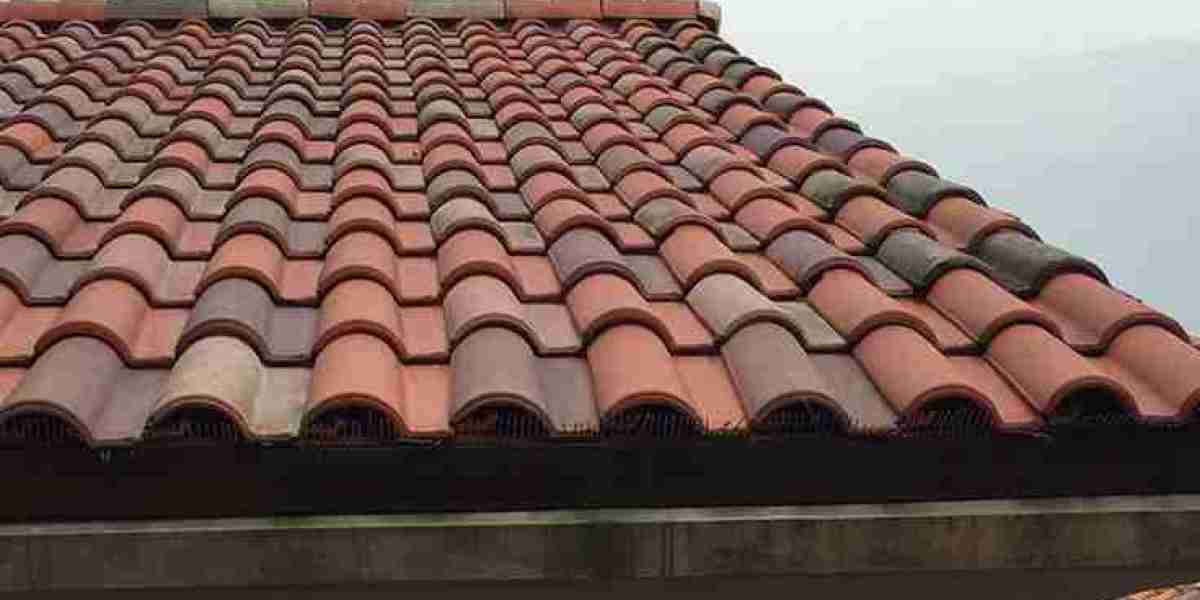

For architects, builders, and homeowners seeking elegance, durability, and cultural charm, Chinese-style Roofing Materials offered by Chuanyabuilding present a unique solution. These materials combine traditional aesthetics with modern engineering, providing roofs that not only protect but also elevate the appearance of a building. Can these roofing solutions redefine your architectural vision?
Chinese-style roofs have been admired for centuries, known for their curved eaves, intricate patterns, and harmonious colors that complement both classical and contemporary structures. Modern production techniques have enhanced these traditional designs, resulting in materials that are lightweight yet strong, resistant to weather and temperature changes, and easy to maintain. By integrating innovation with heritage, these roofing materials offer an attractive and functional alternative to conventional roofs.
The adaptability of these roofing solutions allows them to suit a variety of projects. From residential homes seeking cultural sophistication to commercial buildings aiming for architectural distinction, the designs are versatile. The materials can mimic natural clay or stone finishes, while retaining the strength and resilience expected of modern construction. This balance of form and function ensures a seamless integration of beauty and practicality.
Sustainability is increasingly vital in construction, and these roofing materials contribute to environmentally conscious projects. The materials are crafted using processes that minimize waste and incorporate recyclable components. This combination of eco-friendly design and long-lasting performance makes them a thoughtful choice for those prioritizing both aesthetics and responsibility.
Maintenance requirements are minimal. Resistant to moss, algae, and fading, these roofs remain attractive with little effort over time. Occasional cleaning preserves the vibrant colors and intricate patterns, allowing the structure to maintain its charm and integrity for decades. The longevity of these materials provides significant advantages, reducing the frequency of replacements and ensuring long-term value for property owners.
Installation is straightforward despite the complexity of the designs. The materials are engineered for compatibility with different roof slopes and structures, facilitating smooth and efficient application. Builders appreciate the reduced labor complexity, while property owners enjoy durable and visually impressive roofs without unnecessary delays or complications.
The fusion of traditional appearance and modern technology makes these roofing materials highly desirable in urban and rural settings alike. They provide a sense of cultural identity while meeting contemporary standards for durability and environmental responsibility. Architects and homeowners can achieve creative freedom without sacrificing structural reliability or sustainability, allowing each building to stand out with elegance and purpose.
Investing in these roofs also enhances property appeal. Well-executed Chinese-style roofs convey quality, sophistication, and attention to detail. They demonstrate a commitment to aesthetic refinement and construction excellence, increasing perceived value and leaving a lasting impression on visitors and potential buyers alike.
For anyone planning a new building or a renovation that emphasizes style and tradition, exploring these roofing materials offers unique opportunities. The combination of elegance, resilience, and sustainability positions them as a top choice for those who value both heritage and modern construction standards. For detailed guidance and insights, visit https://www.chuanyabuilding.com/news/industry-news/chinesestyle-roofing-materials-all-you-need-to-know.html .