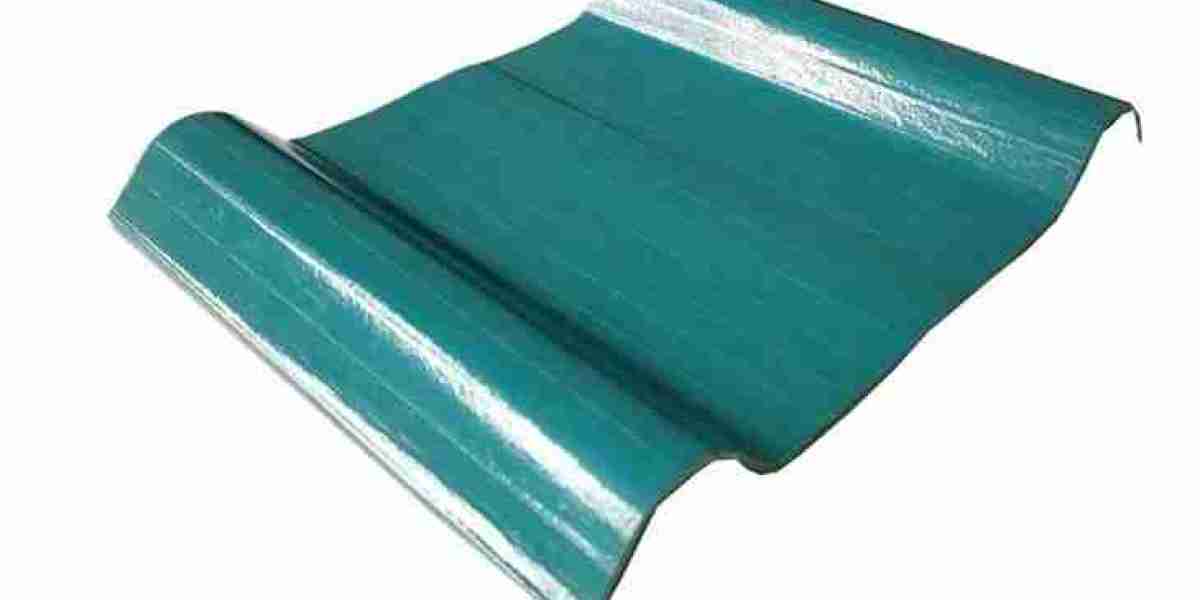

As sustainability becomes a central concern in urban development, the need for high-quality, eco-conscious roofing solutions continues to rise. Chuanya Environmentally Friendly Roofing Materials offered by it illustrate how environmental responsibility can be integrated with construction performance and architectural design. Industry professionals often ask how these materials balance durability with ecological impact. Could these roofing solutions reshape sustainable construction practices?
The materials are engineered to provide structural strength while maintaining a low environmental footprint. Recyclable polymers, advanced composite formulations, and energy-efficient production processes combine to reduce resource consumption. Protective coatings enhance resistance to weathering, UV exposure, and temperature fluctuations. Despite their resilience, these roofing materials are lightweight, which facilitates handling and reduces stress on building frameworks without compromising long-term performance or aesthetic quality.
Thermal and acoustic properties contribute to both comfort and efficiency. The materials can help regulate indoor temperatures, reducing reliance on artificial heating or cooling systems. Noise reduction is particularly valuable in dense urban areas, improving occupant experience. Through these combined features, buildings benefit from performance, comfort, and sustainability in one integrated system.
Design versatility is a defining attribute. Chuanya products can accommodate modern, traditional, or hybrid architectural styles. Architects and builders can explore innovative roof lines, textures, and colors without concern for premature degradation. The combination of flexibility, durability, and environmental performance ensures that structures meet both design ambitions and regulatory requirements.
Sustainable practices extend beyond material composition. Manufacturers emphasize minimal waste, energy efficiency, and environmentally conscious sourcing. Water-based coatings, non-toxic additives, and streamlined processes align production with green building standards. This approach not only reduces environmental impact but also supports long-lasting material performance.
Installation is simplified through precise dimensions and lightweight construction. Workers can place components quickly and securely, while the overall system maintains long-term stability and weather protection. Once completed, roofs retain their color, form, and insulating properties for decades, requiring minimal maintenance and offering consistent protection against environmental stressors.
Choosing environmentally friendly roofing requires consideration of durability, design flexibility, and ecological responsibility. By partnering with Chuanya Environmentally Friendly Roofing Materials through it, architects and developers gain access to roofing solutions that meet these criteria. For more information on applications and benefits, visit https://www.chuanyabuilding.com/ . Could these materials represent the future of sustainable architecture?